


Similarly, a home-based craft business, dealing solely in direct sales, found the cash basis ideal for maintaining a clear view of ready cash, thus supporting accurate budgeting. According to the general rules of GAAP, cash accounting is not acceptable. To comply with GAAP standards, a business must use an accrual-basis accounting method. A balance sheet is a statement that shows everything your company owns and what it owes. With cash accounting, revenues are written only when cash comes in and expenses are only documented after cash is paid out.
Cash vs. accrual accounting: How are you recording revenue and expenses?
She holds a Masters Degree in Professional Accounting from the University of New South Wales. Her areas of expertise include accounting system and enterprise resource planning implementations, as well as accounting business process improvement and workflow design. Jami has collaborated with clients large and small in the technology, financial, and post-secondary fields. With its simple, intuitive design, any small business owner can take advantage of this helpful software. Try FreshBooks free today and see for yourself how simple bookkeeping can be.
- These small adjustments can significantly improve your cash flow by streamlining your collections process and getting money into your account sooner.
- Under this basis, income is reported when it is taxable, and expenses are recorded when they are deductible, which may differ from when they are earned or incurred.
- If your business deals with complex operations—like managing inventory or revenues over $26 million—you’ll need to stick with accrual accounting.
- Publicly traded companies, large enterprises, and C corporations exceeding the IRS revenue threshold cannot use cash basis accounting.
- A statement of cash flows explains the changes in cash from operating, investing, and financing activities.
- As such, it can distort profitability, leading to challenges in long-term financial planning and decision-making.
- Inventory management requires tracking costs and sales within specific periods, not just when cash changes hands.
Disadvantages of a Cash Basis Income Statement
- Try FreshBooks free today and see for yourself how simple bookkeeping can be.
- GAAP mandates the use of the accrual basis and is required for companies that are regulated or publicly traded.
- With the cash method, you record income when money hits your bank account and expenses when you actually pay them.
- These articles and related content is not a substitute for the guidance of a lawyer (and especially for questions related to GDPR), tax, or compliance professional.
- The periodicity assumption requires preparing adjusting entries under the accrual basis.
- When you offer credit to customers, a business must use the accrual method of accounting.
One of the standout benefits of the cash accounting method is its simplicity. Business entities in the United States with gross receipts of $5,000,000 or less often prefer this method due to its straightforward nature. This method’s straightforward approach ensures that you always have a clear and immediate understanding of your cash flow, which can be especially beneficial in decision-making for day-to-day operations. Moreover, it offers more control over taxes by allowing businesses to prepare their income taxes assets = liabilities + equity using this method, impacting your overall tax liability favorably. Sole proprietors in particular, who may not have extensive inventories to manage, can greatly benefit from utilizing the cash basis method to streamline their operations.
Accrual Basis Accounting
Transitioning from accrual to cash basis accounting involves a systematic approach. First, evaluate if your business qualifies for cash accounting based on IRS revenue thresholds and criteria. Next, adjust your accounting records to reflect only cash transactions; include received payments and paid expenses. You may need to reclassify some items and remove accounts receivable and payable from your books. It’s easy to think that cash in the bank equals a healthy business, but the cash method can be deceptive. Because it only records transactions when money changes hands, it ignores crucial parts of your financial picture, like outstanding invoices (accounts receivable) or bills you owe (accounts payable).
Can inventory assets be recorded with cash basis accounting?
- The cash method is also beneficial in terms of tracking how much cash the business actually has at any given time; all you have to do is look at your bank account balance.
- These are some of the major advantages of using the cash accounting method.
- While cash basis accounting offers some flexibility, it can also lead to wild swings in your reported profits, especially if your business manages long-term projects.
- Also, regulated and publicly traded companies are required to use accrual accounting as part of GAAP.
These principles are at the heart of income measurement and accrual-basis accounting. While a single-entry system is simple to use, it does not provide the whole story regarding profit and loss and is therefore not useful for business analysis. It is also easier to make mistakes without the double-entry checks and balances that other accounting methods use. With tools designed specifically for small business owners, QuickBooks makes managing your books easier than ever.
What is Cash Basis of Accounting & How Is It Different Than Accrual Accounting?
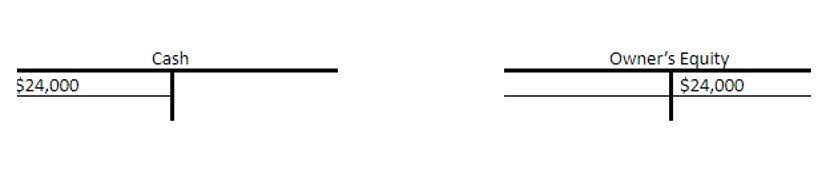
For instance, so far, the income statements in this text were for either one month or one year. If someone owes you or a company money, it’s called “accounts receivable” (A/R) on the books. A/R is not recorded on the income statement, but rather on the balance sheet as an asset—that is, something owned. A/R is an asset because, at some point, the money will arrive in the form of cash (an asset).

Also, communicate with stakeholders, including your accountant or financial advisor, to align their expectations with the new reporting style. Lastly, update your accounting software settings to reflect the change, ensuring all data inputs match the new method. Imagine a freelance graphic designer who https://a-qualitypools.net/automated-spend-analysis-solutions-trends-and/ uses the cash accounting method. They receive payments immediately upon project completion, allowing them to record income when the cash is actually in hand.

Cash Accounting means it becomes much harder to foresee profits and expenses because they are not recorded on the books until received or paid. When these accounting methods are put into action, dramatic differences become evident in how the financial picture of a company takes shape. In Accrual accounting, it’s “giving credit when credit is due” as cash takes a back seat to actual business activities of revenues and expenses.
Inventory is recorded as an expense at purchase and does not match the timing of sales. That means in an inventory purchasing month, the income statement shows inventory as cash basis accounting measures income based on an expense. And if the inventory isn’t selling, it is not reflected anywhere on the financial statements.
Cash Basis Accounting vs. Accrual Accounting
This method might help you delay paying income tax on earnings until you collect the money — which can be especially helpful for small businesses with tight cash flow. You can also lower your tax burden by pre-paying business expenses in November or December, even though you won’t use those services until the following year. Also, regulated and publicly traded companies are required to use accrual accounting as part of GAAP. That answer could vary greatly depending on the type of accounting you use to keep your books. Small companies often keep cash basis books, which look like your checking account—cash in and cash out.


